
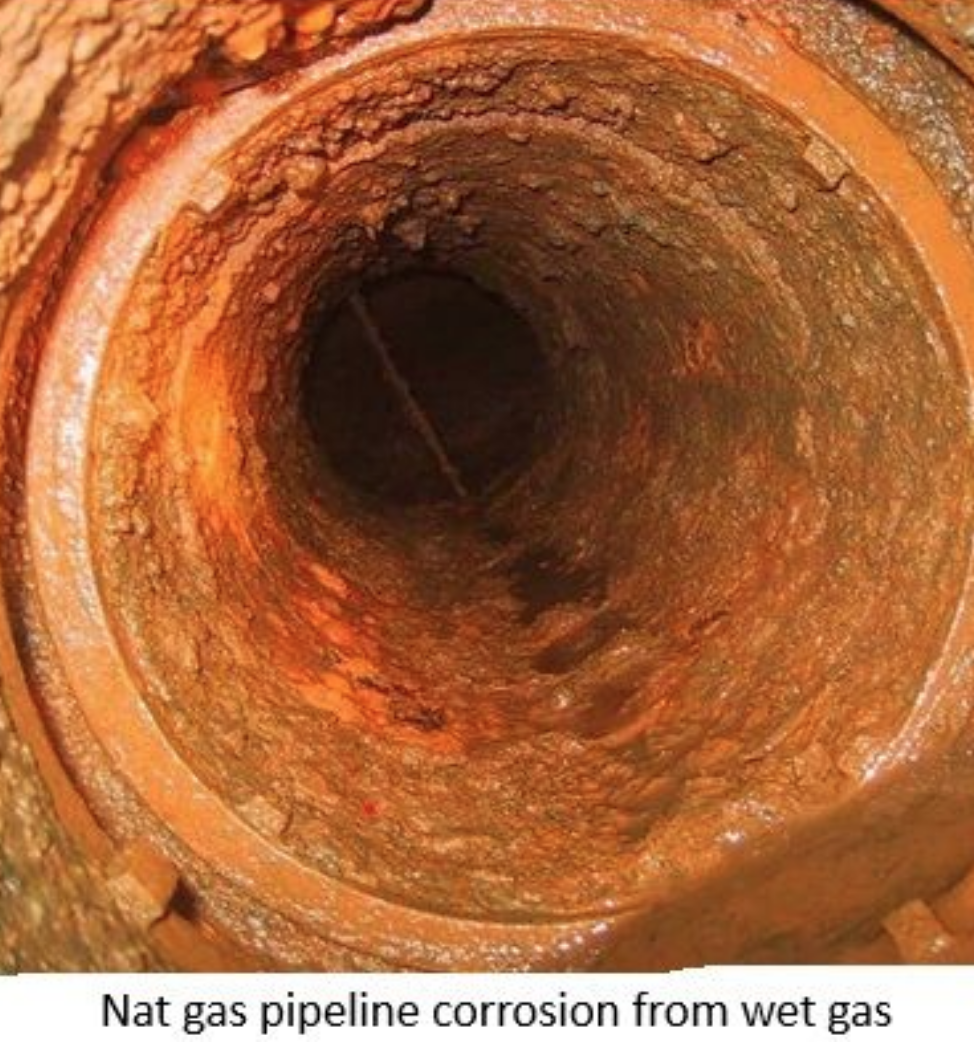
 From Canada, the USA, the Middle east, Asia, to Australia, gas line ruptures, explosions, and service outages are making headlines—and corrosion is almost always the root cause.
What’s driving these failures, and how can we prevent the next one?
The common denominator is liquid buildup and accelerated corrosion that turns small issues into major incidents. Pipelines ruptures can lead to major spills, fires and other potentially dangerous and costly accidents.
Innopipe removes liquids like produced water, hydrocarbon condensates and chemicals from natural gas lines. Results include decreased corrosion and extended pipeline lifespan among other benefits.
Global Accidents with Local Consequences
Just look at the headlines:
Canada: Fox Creek, Alberta (2022)—a natural gas line ruptures, causing a wildfire and shutdown after severe external corrosion.
· USA: La Porte, Texas (2024)—Energy Transfer Justice Pipeline explosion traces back to internal pipe corrosion and drips.
· South America: Peru/Ecuador—just in 2022, corrosion and ruptures led to major oil spills, polluting rainforest rivers and coasts.
· Australia: Moomba to Adelaide (2015)—thousands lose gas service as stress-corrosion cracking splits a major transmission line.
The Dangers of Pipeline Corrosion
The common denominator for these accidents?
Liquid buildup and accelerated corrosion—turning small issues into major incidents.
The 2024 natural gas pipeline explosion near La Porte, Texas mentioned above forced evacuations after corrosion and aging infrastructure weakened the pipe wall—issues that compounded during routine operations.
Similarly, the BSEE Safety Alert 493 (2025) investigated an offshore gas pipeline where external corrosion on a flange resulted in material loss and a brittle failure. Despite protective coatings in place, poor maintenance allowed corrosion to spread unnoticed until the line failed.
A Consistent Pattern Is Clear
All of these pipeline events reveal a consistent pattern:
– Trapped liquids promote corrosion inside the lines
– Degraded coatings fail to protect the steel beneath
– Small cracks quietly evolve into ruptures
These incidents underscore a growing truth: while good data and inspection tools help us identify cracks, they do not prevent the underlying conditions that create them.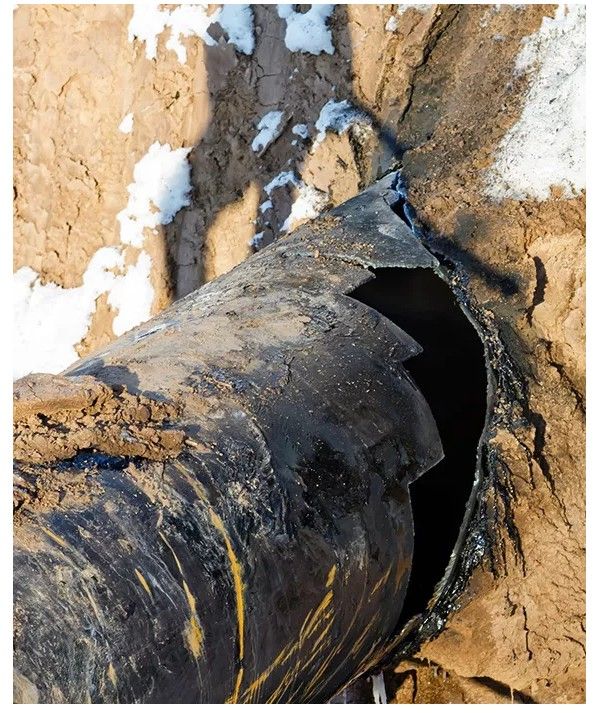
Can aging technology really keep up with today’s pipeline challenges?
How Innopipe Helps
After all these incidents, one question keeps coming up:
How do we stop corrosion and liquid build up before they start?
We’ve all seen the pattern – small pockets of liquid in a gas line lead to corrosion, weakening and eventually failure. The recent events in Edson and in the US mentioned above show that even the most sophisticated monitoring tools can’t eliminate the physical causes behind these recurring issues.
That’s exactly why we designed Innopipe.
Instead of relying solely on detection and reaction, Innopipe focuses on prevention by managing liquids directly inside the line.
Our inline separation technology removes free liquids as part of the normal gas flow, reducing liquid formation, preventing slugging, and minimizing corrosion risk long before these conditions reach a critical state.
It’s fully piggable, easy to maintain and was designed for modern natural gas networks that demand both safety and uptime.
Because in the end, true integrity management starts with keeping the line dry, stable, and clean from the inside and not waiting for the next alert or report.
Next Steps
Innopipe is installed in over 100 locations around the world. To learn more about how Innopipe can help you too, please contact us directly:
OilPro Oilfield Production Equipment
1-403-215-3373
Update: If you’d like to learn more about the issue of corrosion in pipelines and the consequences, check out this great website resource: Trusted Pipeline Advisor.com. Be sure to view the TPA Podcast Channel section which shows a number of excellent videos discussing various pipeline issues.